Are you considering a cruise, but the hundreds of options seem overwhelming?
Maybe you are cruise-curious, but don’t know how to select one that will ensure a good experience. Or, maybe you went on a cruise, (and maybe someone else chose it for you!) but it wasn’t satisfying, and now you think you may have missed out on something, since many people rave about cruising, and you wonder if you should try again.
In either case, a few variables will help you choose a cruise that suits you best and provides a satisfying vacation.
Although I will list factors that you can consider, know that no one criterion matters the most to everyone. What is most important to one person will be different from what matters most to someone else. You may have a specific itinerary in mind, while another person may care more about having high-quality entertainment on the ship.
Think about the criteria that matter the most to you. I do not seek out go-karts or massive water slides, (even though I will use a slide if it’s there!) but understand how that is a priority for some cruisers. For me, fine dining is a must, and entertainment is a strong consideration. I also have selected some cruises based mostly on itinerary. Consider what is most important to you, and also what you are willing to be flexible about, or compromise on. I hope this list is helpful as you consider the varieties of cruise experiences that are available.
QUALITY/Lifestyle
Cruise lines are rated into three main categories: Standard/Mainstream, Premium, and Luxury.
In general, cruising categories take into account the quality of food, service, accommodations and onboard experience. The question here is – what will you find both comfortable and satisfying?
This page includes a useful infographic that compares the three main classes of cruising. It is important to make sure that your expectations are in line with the cruise line that you select, so thinking carefully about this in advance can ensure you have the cruise that you want and are comfortable with.
The number of crew serving each passenger, the quality of food served, and the on-board amenities are all considered as cruise lines are rated.
Here are some examples of cruise lines in these categories:
Standard: Carnival, Norwegian, Royal Caribbean
Premium: Princess, Holland America, Celebrity
Luxury: Regent Seven Seas, Seabourn, Silversea, Explora
For me, Premium lines hit a perfect “sweet spot” – between a cruise that is perhaps too basic for a great vacation, and one that is luxurious but also might make my bank account sad.

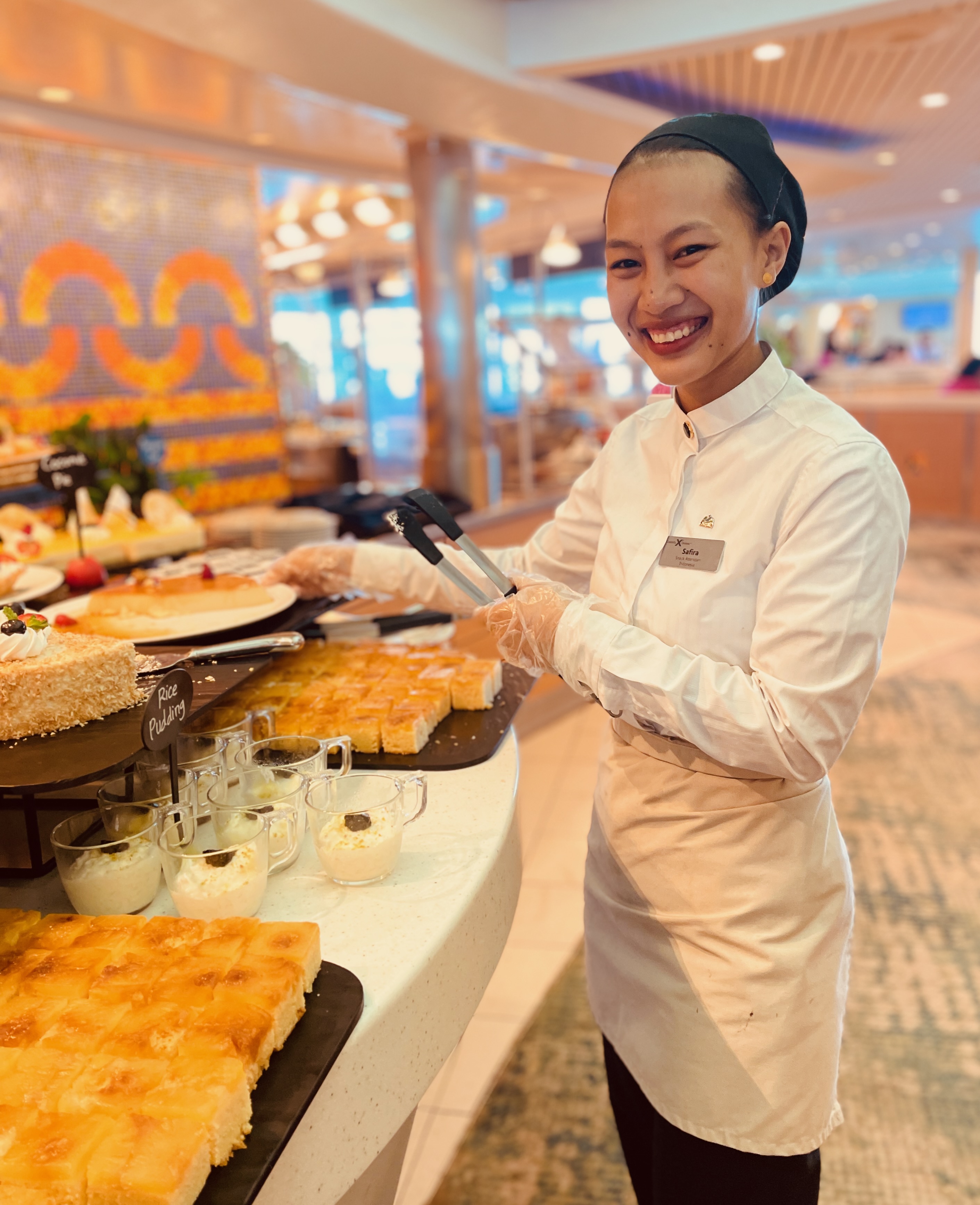


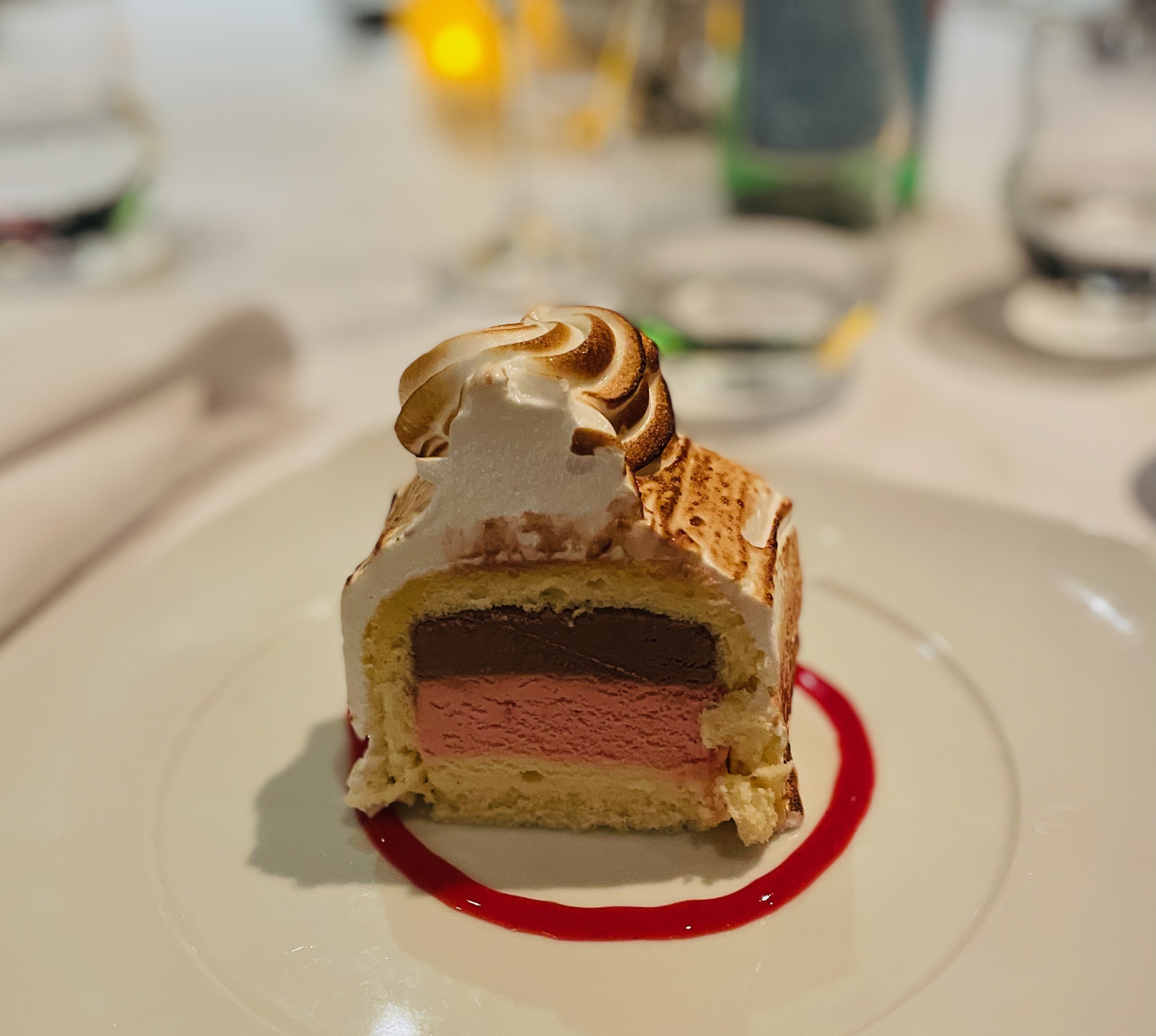

Photos taken on Celebrity and Princess cruise ships. These are premium cruise lines, and provide high-quality service. You can enjoy a specialty coffee or be served afternoon tea, indulge in handcrafted cocktails or amazing desserts – all without luxury pricing.
Another option is to upgrade your stateroom to a suite that offers a personalized, ultra-premium experience. Some standard or premium cruise lines offer a high-end category that provides an elevated experience. Examples of an exclusive “ship within a ship” experience where you have access to upgraded suites in prime locations, but also private lounges, pools, and restaurants are The Haven on Norwegian Cruise Line, The Retreat on Celebrity, or MSC’s Yacht Club. In these suite-style rooms, you benefit not only from premium, private dining, pools and decks, but also have access to concierge service for excursions and scheduling specialty dining and entertainment on the ship.
PRICING TIP: Newer (and larger) ships are almost always more expensive. The price differences can be dramatic, even doubling the cost. If you want to keep within a budget, do not rule out the older ships – these are generally well-maintained.
ITinerary
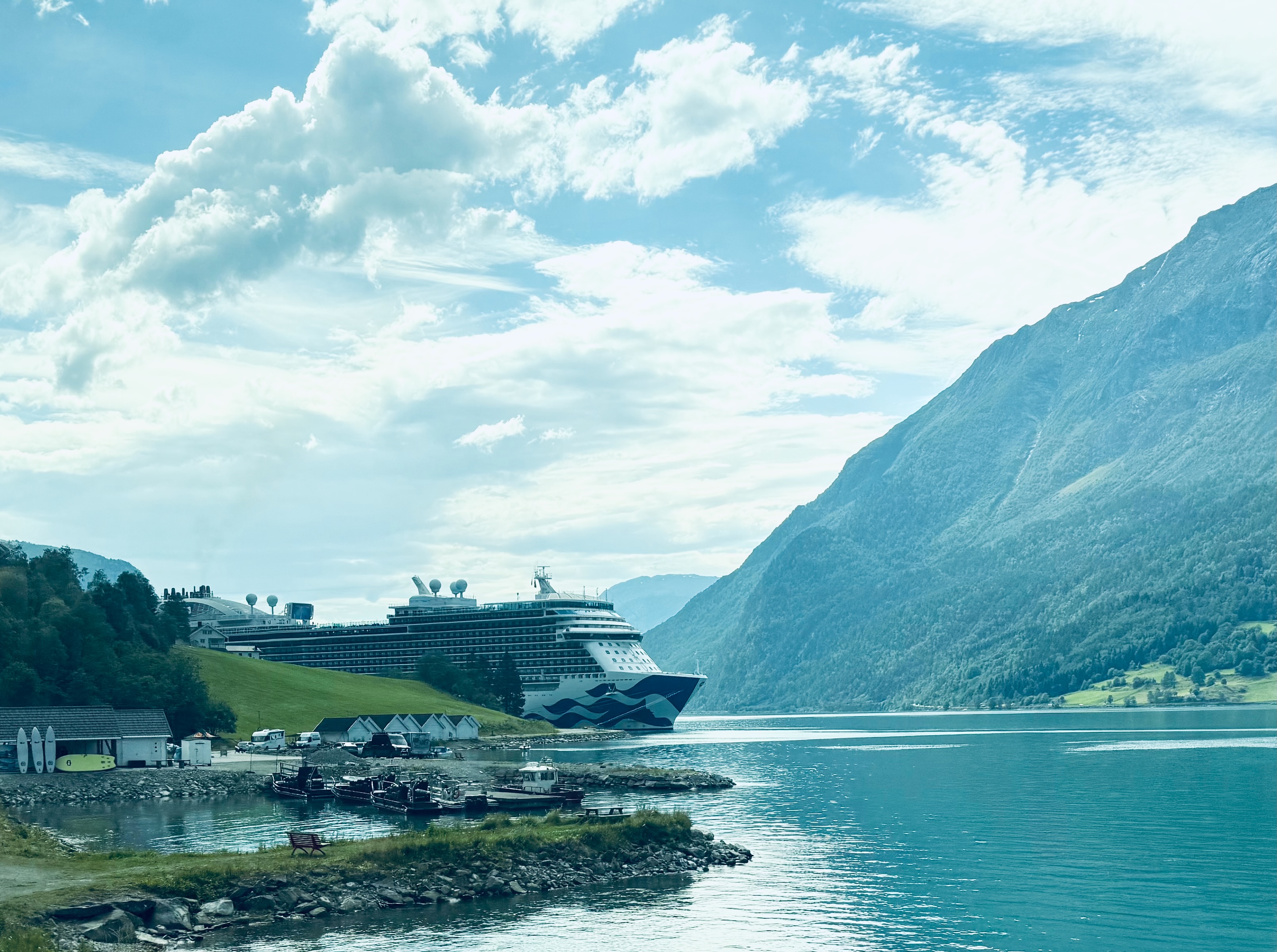
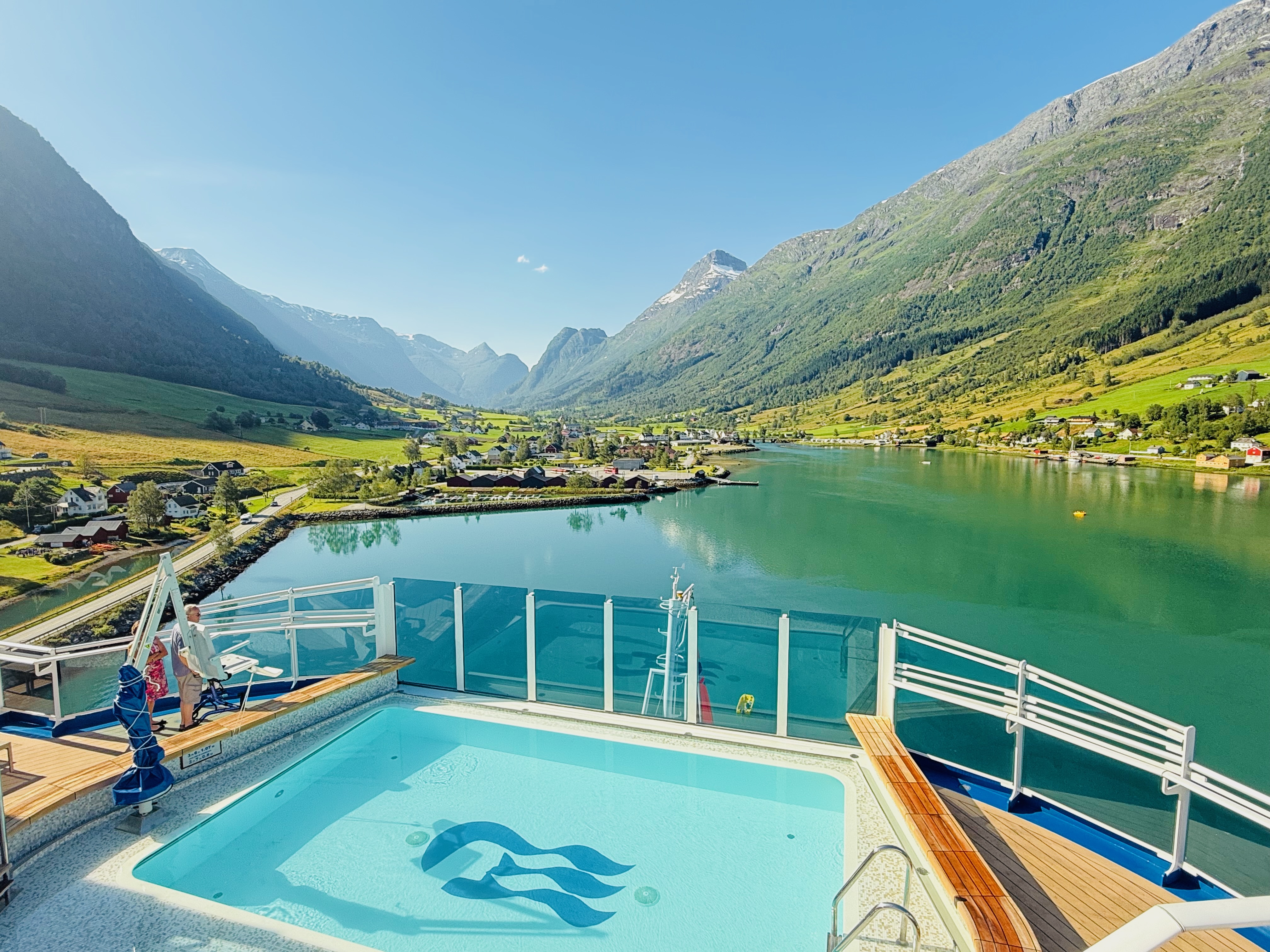
Where do you want to travel? Cruising in Alaska, with glaciers, exhilarating whale watching, or rainforest hikes, will provide very different experiences than you would have in the Caribbean with snorkeling, relaxing beach time, and lounging on a private island. A port-intensive Mediterranean cruise exploring historical and cultural treasures will give you yet another type of experience. Think about what you value, and know that there is no one right answer. The world of cruising offers an enormous variety, but don’t let that stop you from just jumping in and selecting cruise #1.





TIP: Cruise line websites allow you to search by itinerary, and it can be worth narrowing it down to a region you are interested in. I have, for example, searched websites looking at only cruises that go to Norway. There may be specific ports that are a priority for you, so keep that in mind and talk to a travel advisor about your wishes.
Departure Port
It may be worth departing from a nearby port, or at least one that is not hard to get to, for your first cruise. You can begin selecting a cruise by figuring out how to get to a port that is nearby or at least easy to get to from your home.
However, if you want to depart from a far-off location, you may have a day or more to devote to travel to a port, so include that in your plans – and budget – for the trip. If you fly, plan to arrive at the departure city at least one day before the cruise embarks. A cruise ship will not wait for passengers who are delayed in arriving.
Here is a link to a page that shows U.S. departure ports.
TIP: Most cruise line websites allow you to filter your search by departure port to select a cruise. If you need a list of ports to choose from, you can also go to whatsinport.com and search there.
Size of Ship
In general, there are three categories of cruise ships:
Large resort ships (2,501-6,500 passengers);
Mid-size ships (751-2,500 passengers); and
Small ships (251-750 passengers)
Not included here are river cruises, boutique cruises (fewer than 250 passengers), and specially designed expedition vessels.
The size of the ship can greatly impact your experience – whether you have to stand in a long line to get a cappuccino, whether you can find an available lounge chair on the pool deck, or receive meaningful, attentive service from cruise ship staff. Even disembarking at port gets much more complex (and possibly tedious) when the crowds are far larger.
However, be aware that these categories can be a bit arbitrary, especially the distinction between mid-size and large ships. A well-designed and well-staffed ship with 3,000 passengers (technically a large resort ship) may provide a quality experience similar to what you find on a mid-sized ship. Also, a mid-sized ship will have fewer venues, and those available may be more crowded than some on large ships! So, keep an open mind and read reviews of individual ships while you decide on the right ship for you.
The larger a ship, the more entertainment and activities you will find, for example, waterslides on the top deck, ropes courses, climbing walls, or even go-karts. There may be a dedicated thermal suite with a therapy pool, saunas, or heated lounge chairs.
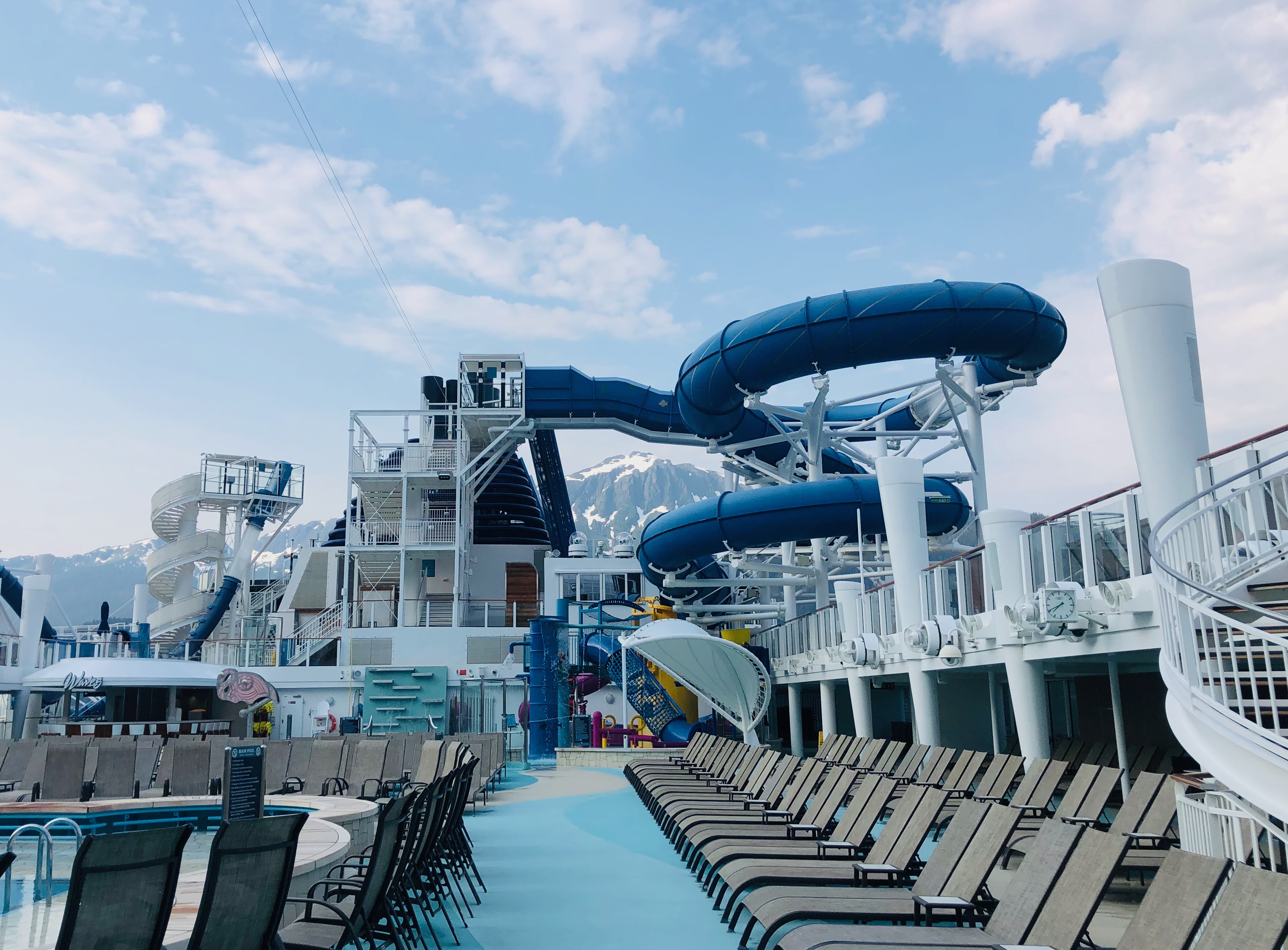
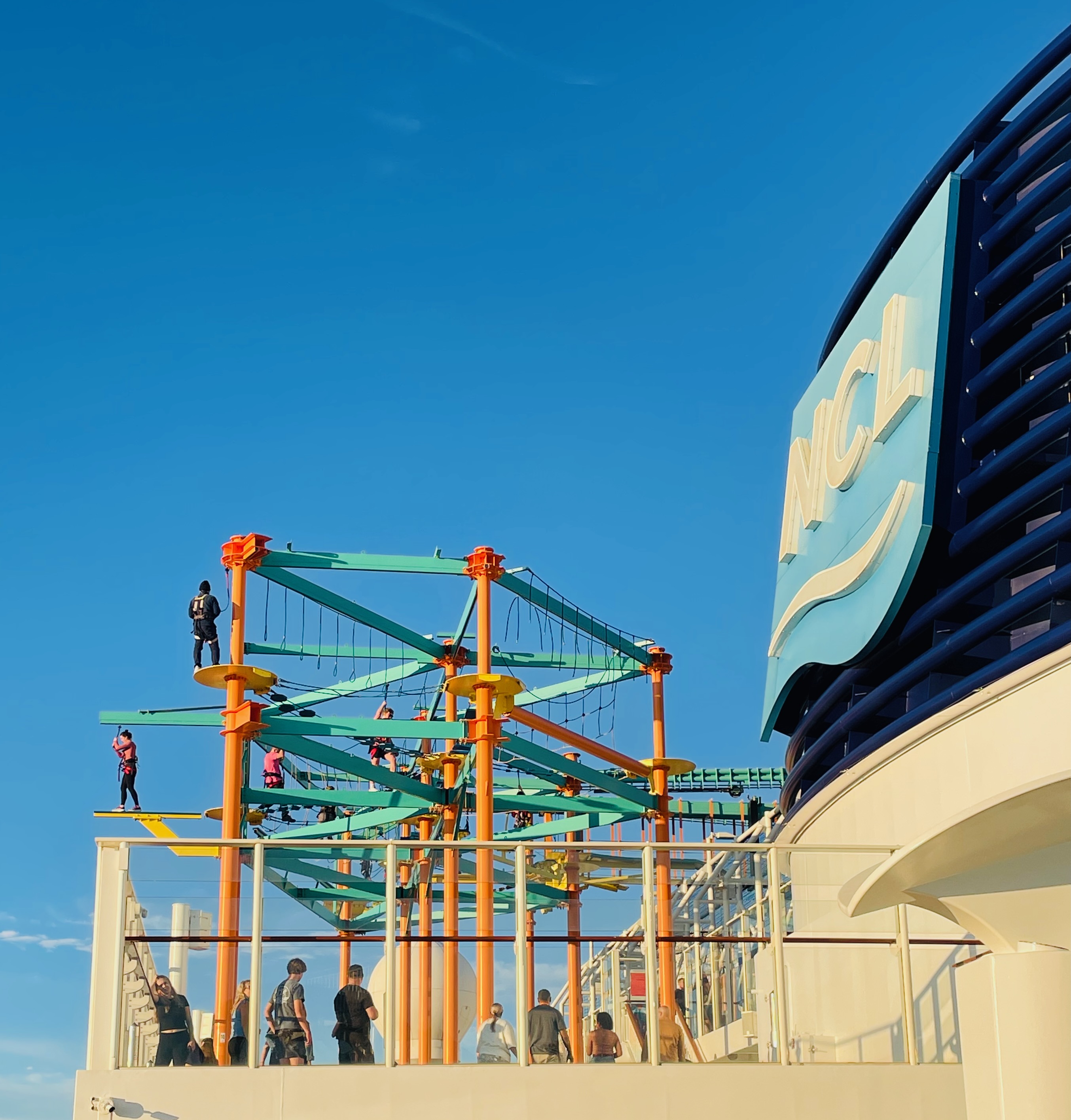
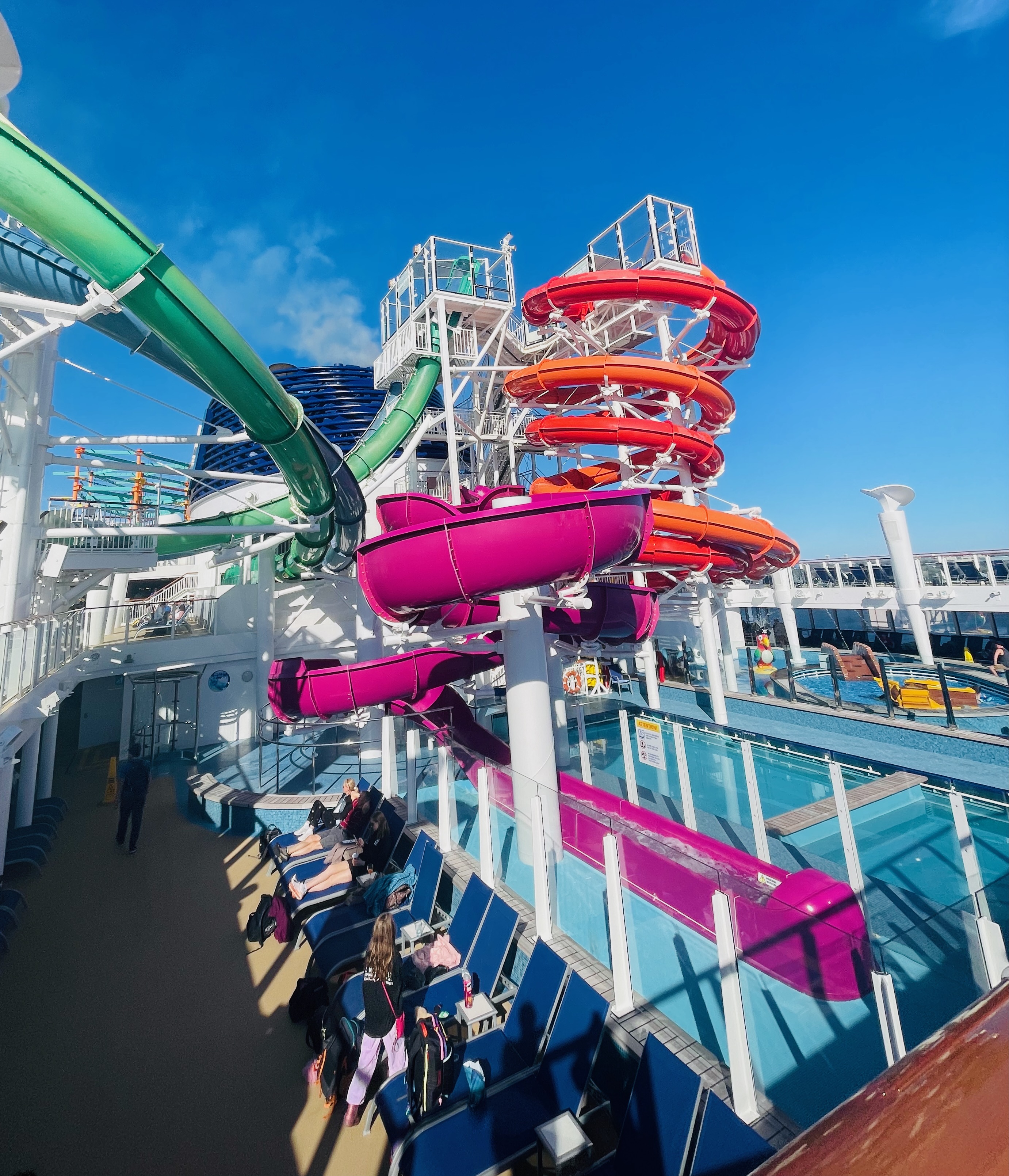
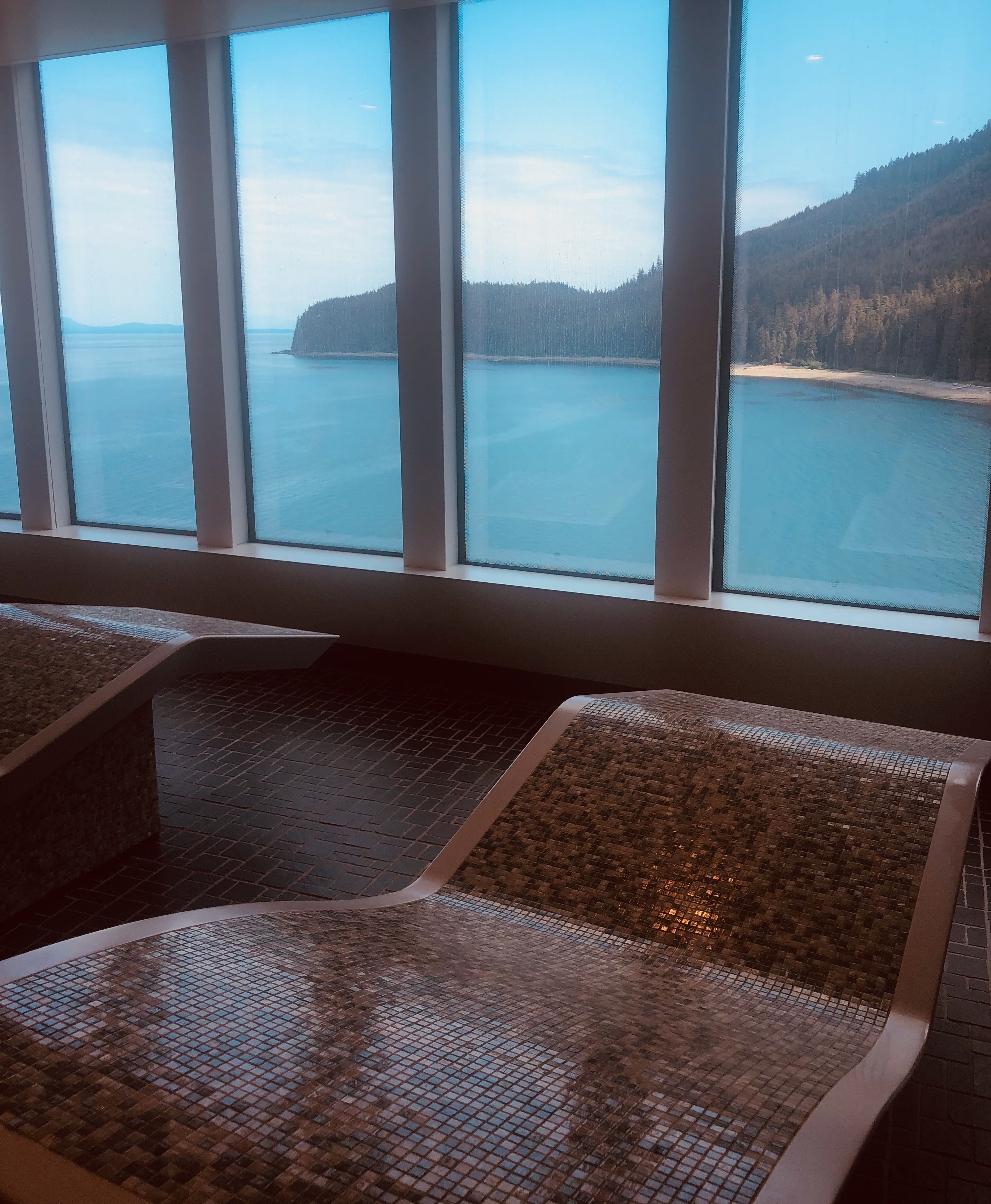
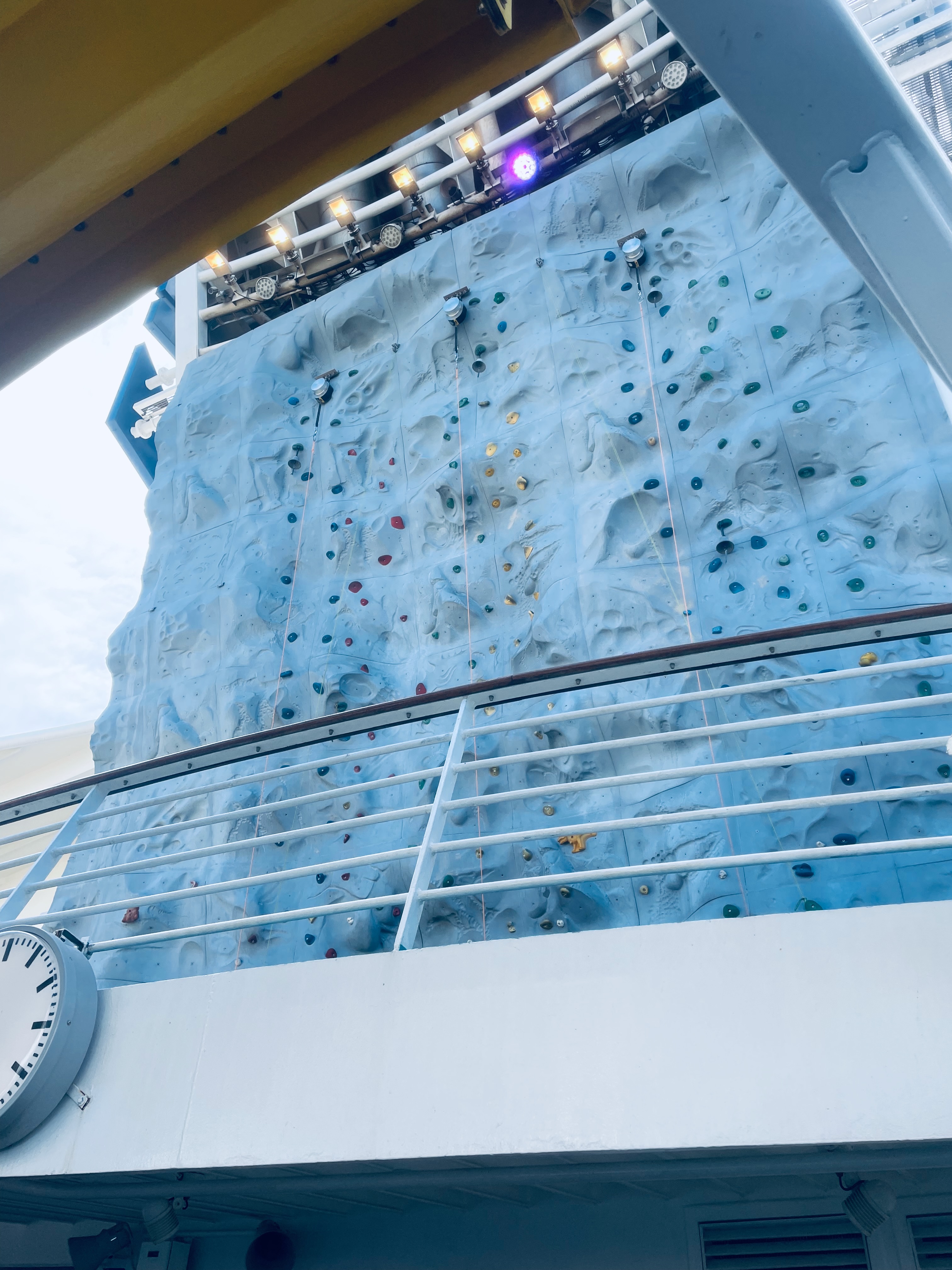
In making a decision, consider what compromises might be acceptable to you and your traveling companions. You might want (or need for your kids!) the high energy of a large resort ship with thrilling water slides, go-karts, or laser tag. In order to access those experiences, it may be worth it to you to accept some crowds in public areas or longer lines to get off the ship at port.
Or, if you place a high value on a quiet, peaceful environment with impeccable, personalized service, you might find the additional expense of a small, luxury cruise ship well worth it.
Cabin Type
Inside? Balcony? Suite? Forward? Midship? Aft? The enormous variety of cabin accommodations on cruise ships gives you choices both in cabin style/size and location, as well as a wide range in cost.
For people susceptible to motion sickness, desirable locations are generally mid-ship (where passengers feel less movement) on the lower decks.
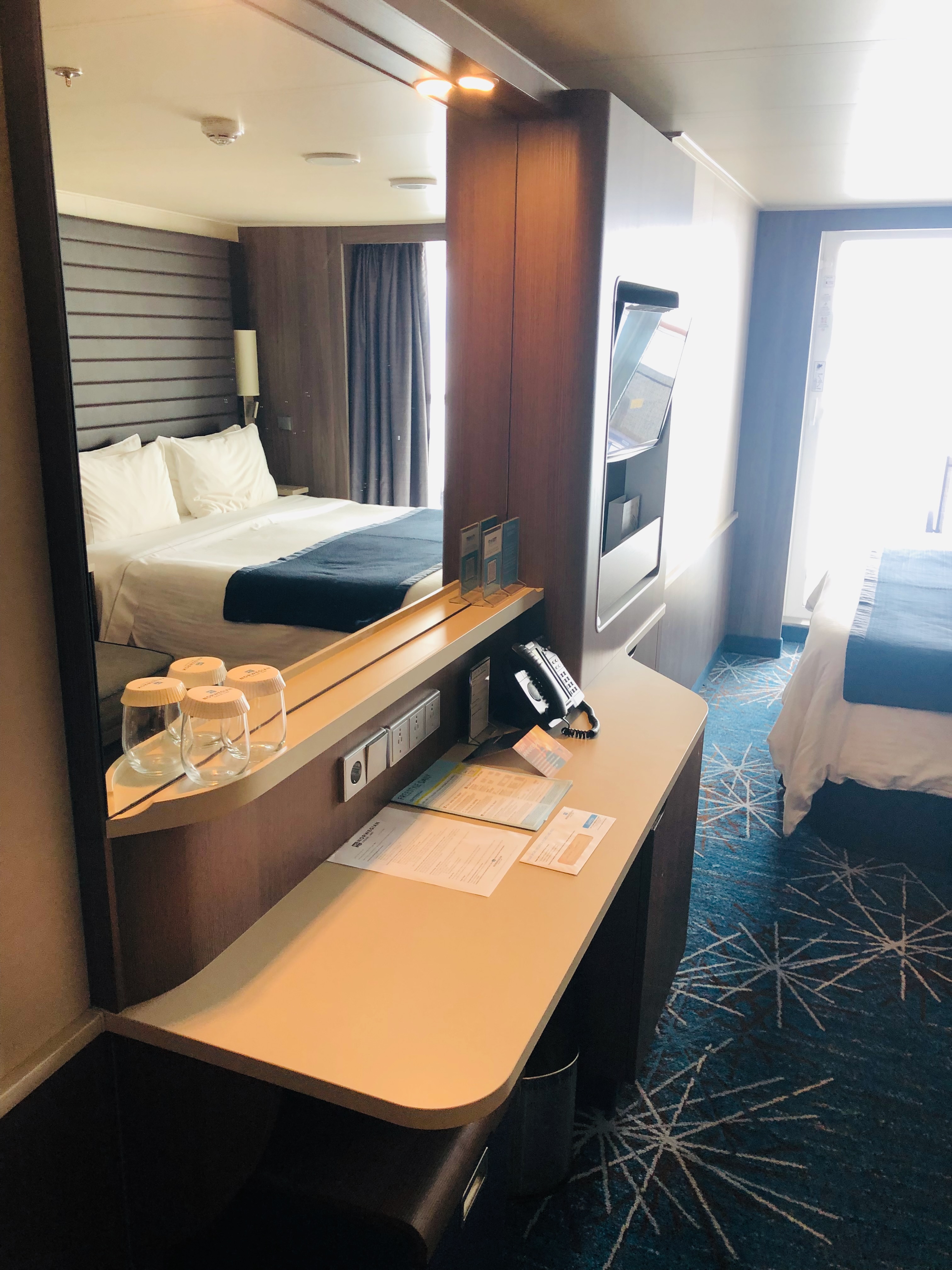
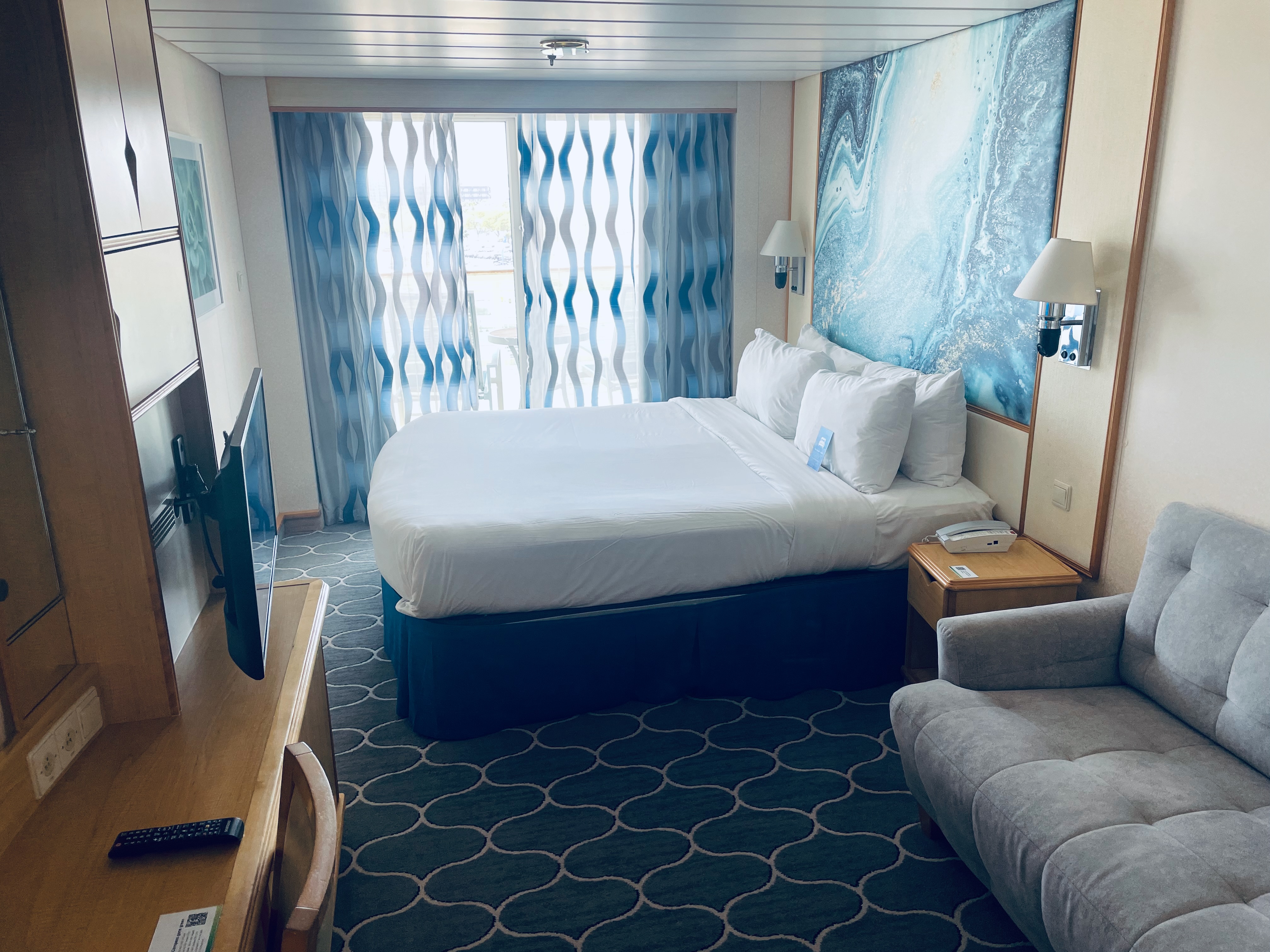
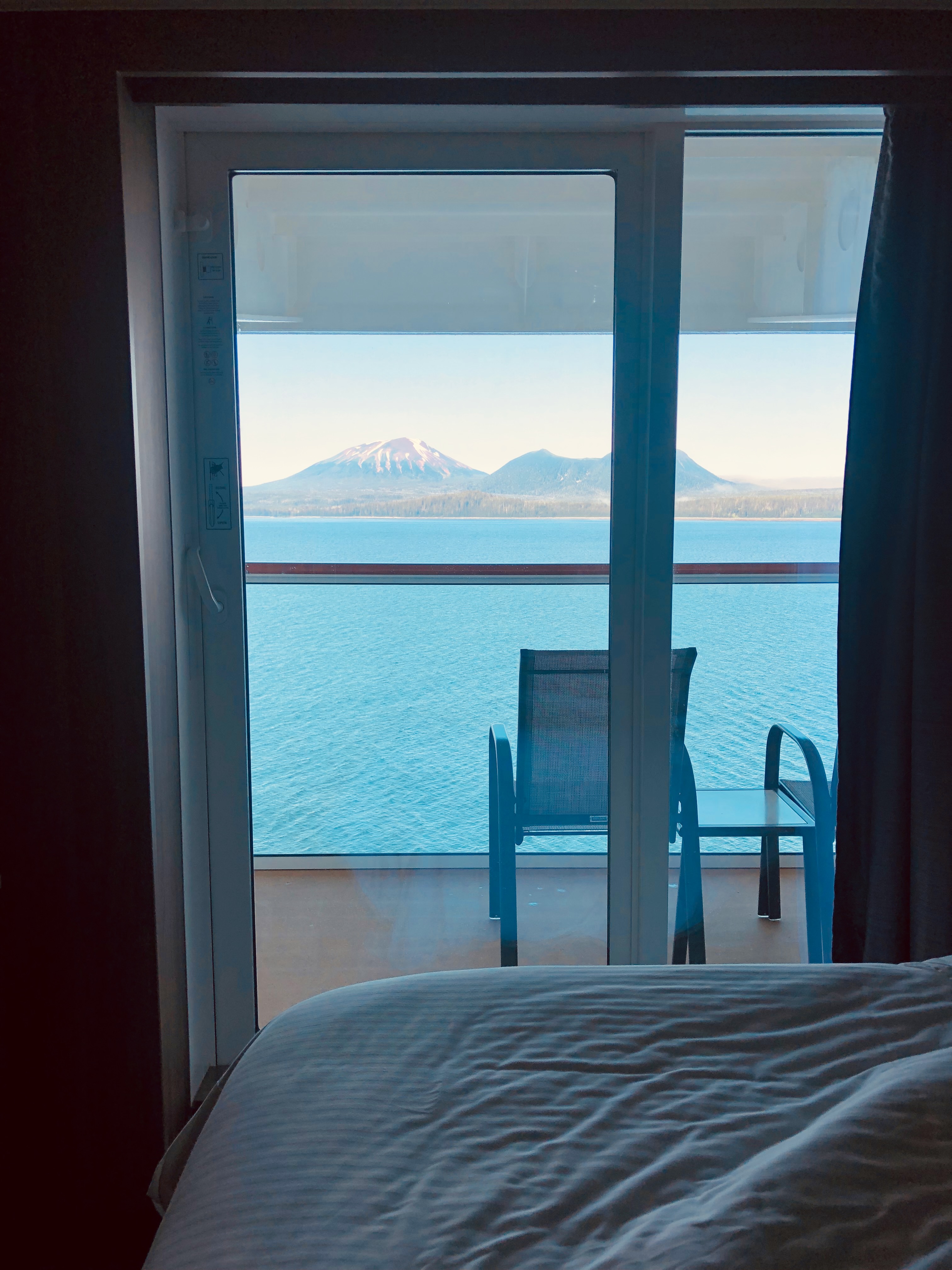
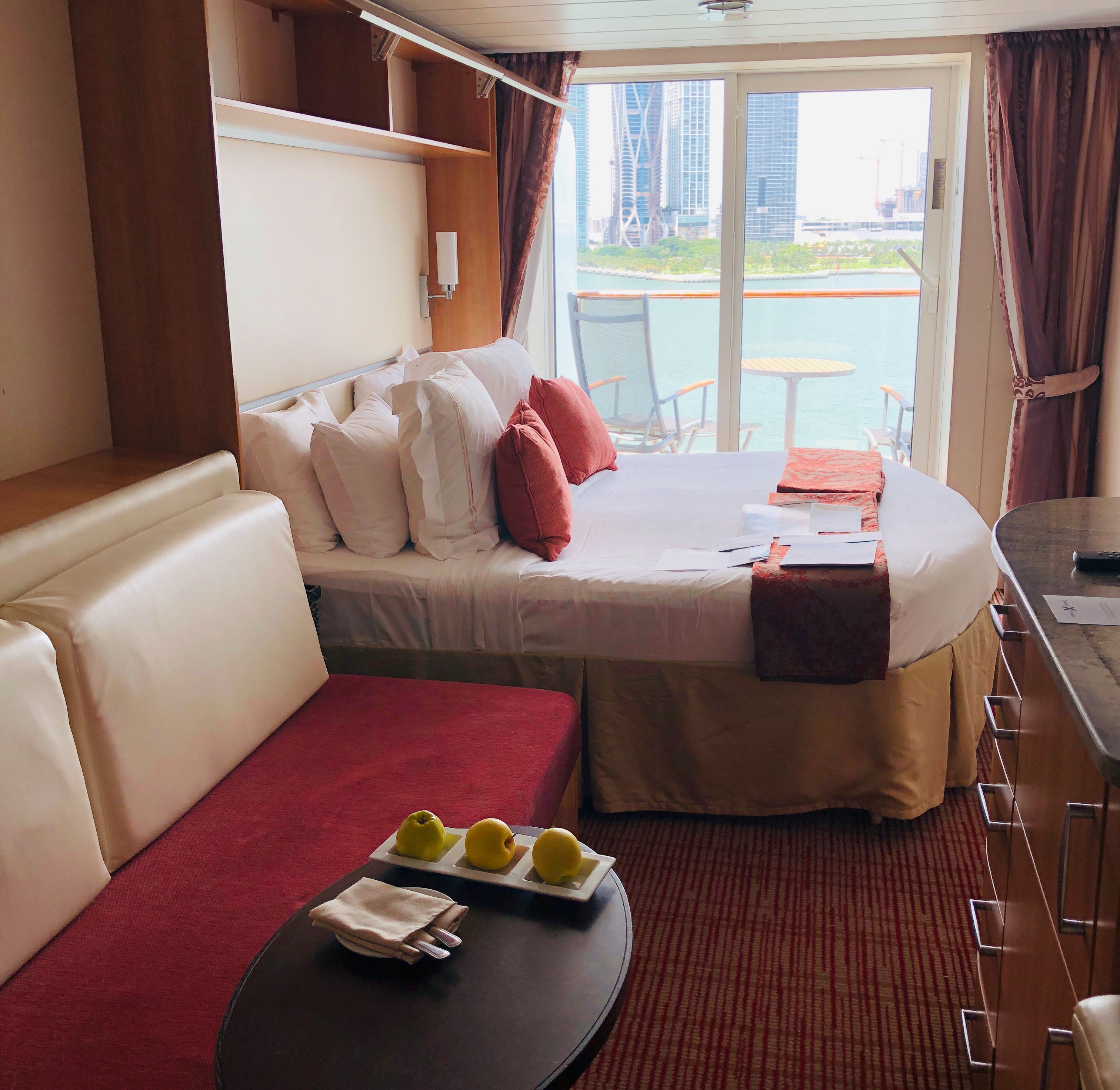
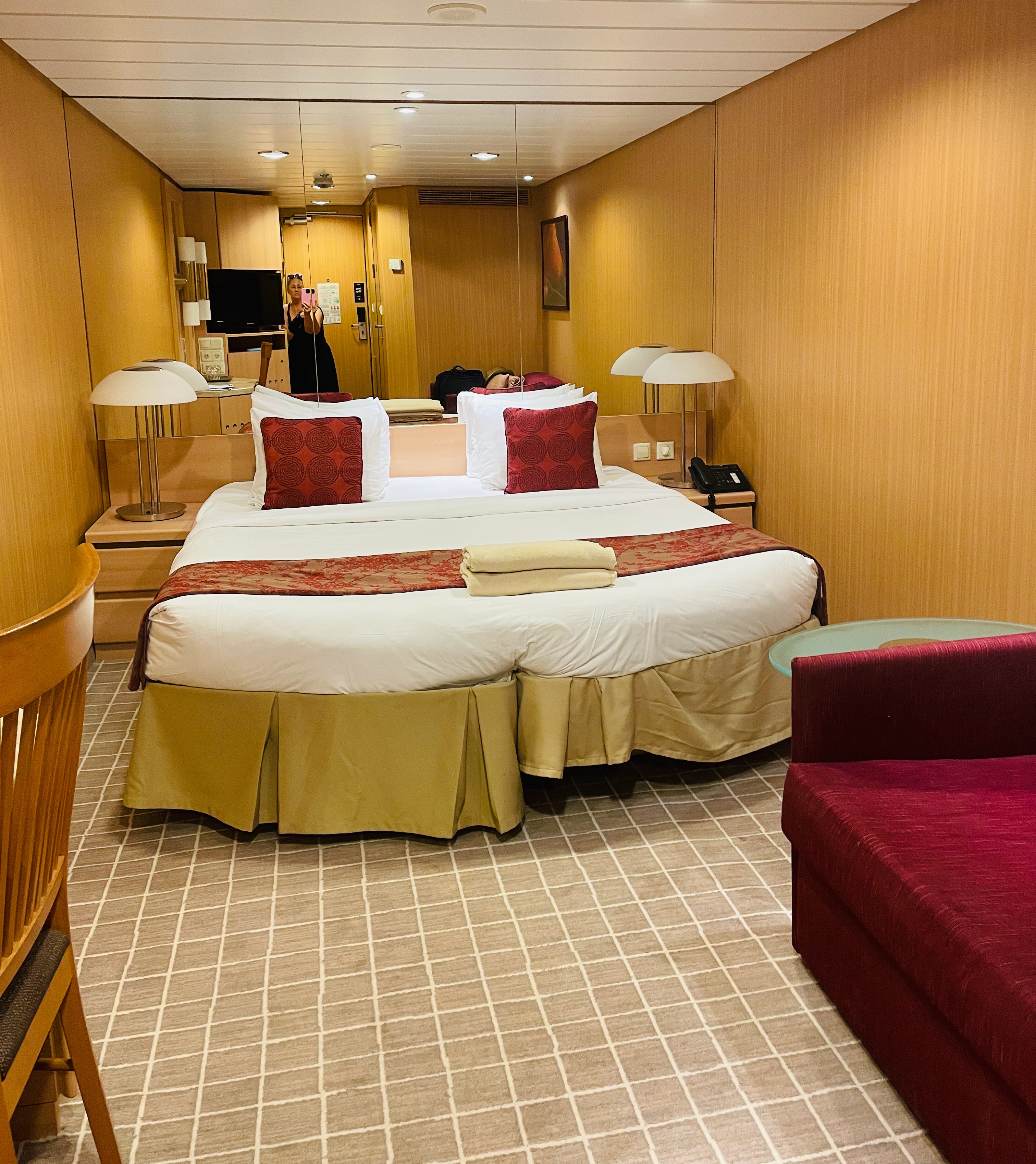
Will a balcony help you fully enjoy the cruise – for example, on an Alaska cruise with scenic cruising through Glacier Bay, do you want to enjoy that from a private balcony? Or, do you want to select an interior cabin and spend the money you saved on excursions or luxurious spa treatments? I love a balcony room for views of the water and land — and this is especially important where “scenic cruising” of glaciers or fjords is part of the itinerary. Balconies also provide a bit of additional lounging space, but having said all of that, I often select an interior cabin and do not feel cheated at all. Especially if I know I am not likely to spend much time in my cabin, for example, on a busy, port-intensive cruise, I might decide that instead of a more expensive cabin, my dollars will go toward the port excursions that I want.
TIP: cruisedeckplans.com is a great resource for checking out cabin categories, locations, and important details like the square footage and room layout before making your final selection. I don’t book a cruise without using it. I also like that it clearly lets me know what is above and below a specific stateroom. You probably want to avoid your room being placed below or above a noisy venue like a nightclub.
Length of Cruise
7-night cruises are very common, as they facilitate regular scheduling for the cruise line and ports. For your first cruise, I recommend a 7-night cruise. I know that many first-time cruisers consider a short itinerary of 3-4 nights, so they can “get a feel for it.” While this seems logical, it is likely to mislead you about the atmosphere on cruise ships. Short cruises (which are affordable and easy to schedule) are notorious for being party-centric. I have been on a satisfactory 3-night cruise, but I fear that you may get the wrong impression of what cruising has to offer if you end up on a ship with loud, rowdy passengers looking to maximize fun and make the most of the beverage package.
Vibe
I don’t know when this word will fall out of our vocabulary, but for now, it works. It also captures something vital to your experience. Cruise lines have different vibes, and you probably prefer one kind of energy/mood to another. My advice here is to look carefully at the websites, pay attention to what they promote, and read the descriptions of activities. Generally, mainstream cruise lines offer a very casual, relaxed vibe and party atmosphere. Think “family fun,” “bachelorette party,” or “group cruise.” Premium lines tend to offer a more refined (but not stuffy) vibe, with more emphasis on fine dining, enrichment lectures, and attentive service. Think “live jazz music in a lounge” or “martini bar with fancy bartenders” or “adults only therapy pool with spa cuisine nearby” as some of the vibes available from a premium line. However, even between premium lines, you will find a different vibe – as an example, in my experience, Princess Cruises is more peaceful, and Celebrity has more of a modern, party vibe.
FINAL THOUGHTS
There is not only one way to select a cruise. You should take into account cruise line quality/lifestyle, the itinerary, departure port and length of cruise, the size of ship, all while weighing what factors matter most to you. Remind yourself that while you may not get 100% of what you imagine for an ideal cruise, it may still be perfectly fabulous, and you’ll learn more about the options for future cruise travel as you go.

What questions do you have about selecting a cruise? What has helped you make a great choice when cruising? I’d love to hear your concerns, questions, or thoughts!
 where land and water meet